Dallas has grown so much over the past three decades. For many people, it is hard to imagine such sweeping changes in such a relatively short period of time.
Some of Dallas’s most momentous shifts in geography and population have happened in what many consider a new neighborhood, that actually has a long and distinguished history.
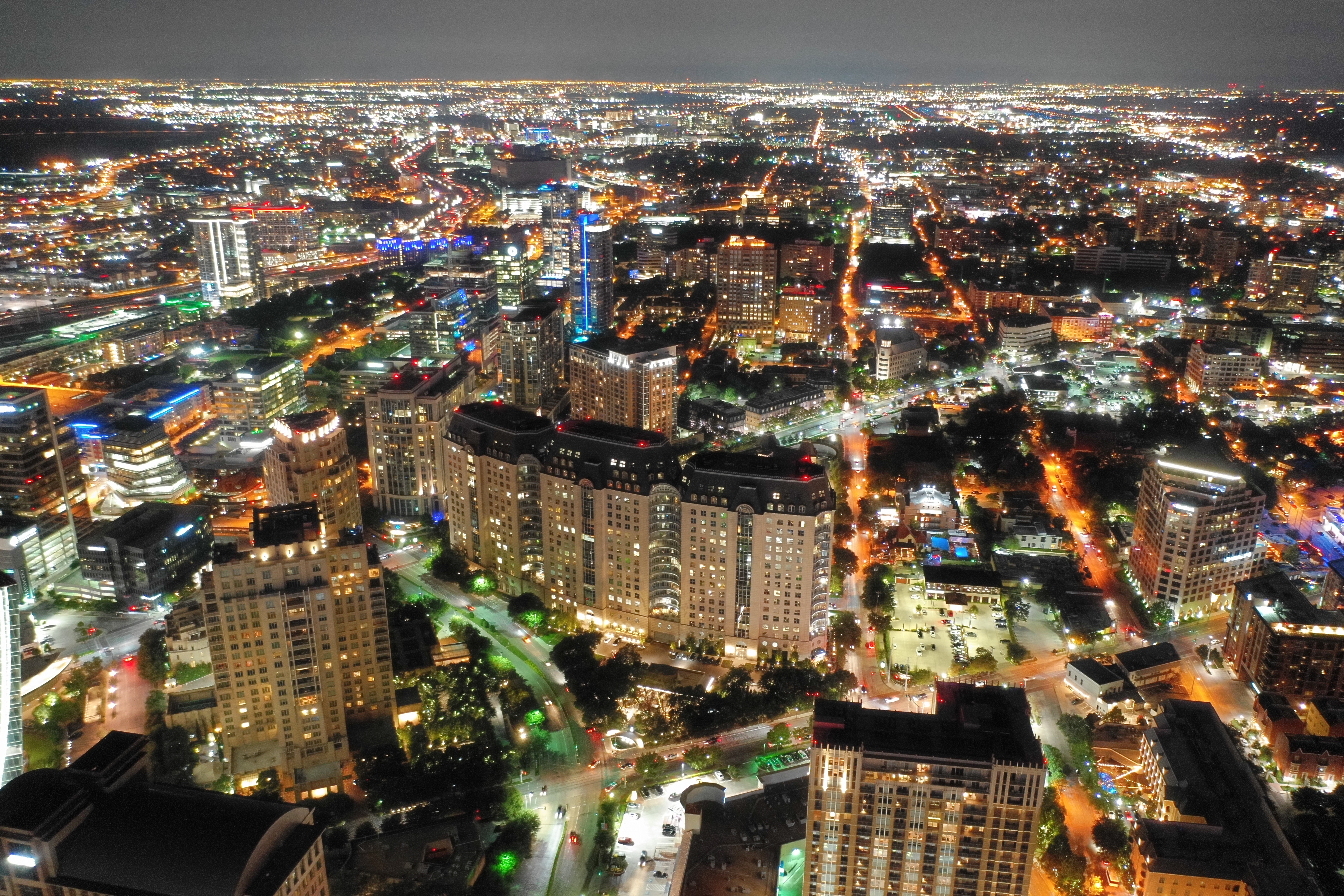
During that time in the region now commonly called Uptown, there has been plenty of residential growth, followed by retail, award-winning restaurants, and plenty of hotel and office space.
First, a few facts and figures: it is adjacent to and north of Downtown Dallas, bordered by U.S. 75, the Central Expressway, or just “Central” to locals, on the east, one block north of Blackburn Street on the northeast, the popular Katy Trail, an old railroad line-turned running/walking/biking path, on the northwest, Harry Hines Boulevard on the west, and the Woodall Rodgers Freeway on the south.
Even longtime Dallasites may not realize that the area was established over 100 years ago. However, Uptown as we know it today, is a sleek, progressive community with a mélange of activities and elements that set it apart from the rest of Dallas.
One of the more distinctive landmarks, and there are many, includes the trolley that operates in the neighborhood. It runs along McKinney Avenue and is managed by MATA, the McKinney Avenue Transit Authority.
Known as The M-LINE, it began running through the area in the Summer of 1989. Today the M-Line covers about 5 miles of track on the streets of Uptown and Downtown Dallas. Seven cars function daily, providing over 600,000 rides, an impressive 365 days a year.
The number of quality destinations has steadily increased in the area, including over 58 acres of green space, more than 200 restaurants, and 150 shops.
Uptown Dallas also has a reputation as one of the most walkable neighborhoods in town punctuated by tree-lined streets and plenty of sidewalks. It is the home of Klyde Warren Park, considered the city’s most important urban green space. The city’s growing commitment to parks and green spaces is something of an example for other major metropolitan areas to follow.
Restaurants and quality food trucks line the park near local Tex-Mex favorite Mi Cocina. It is all a short walk from the Perot Museum of Nature and Science, which is adjacent to the Park.
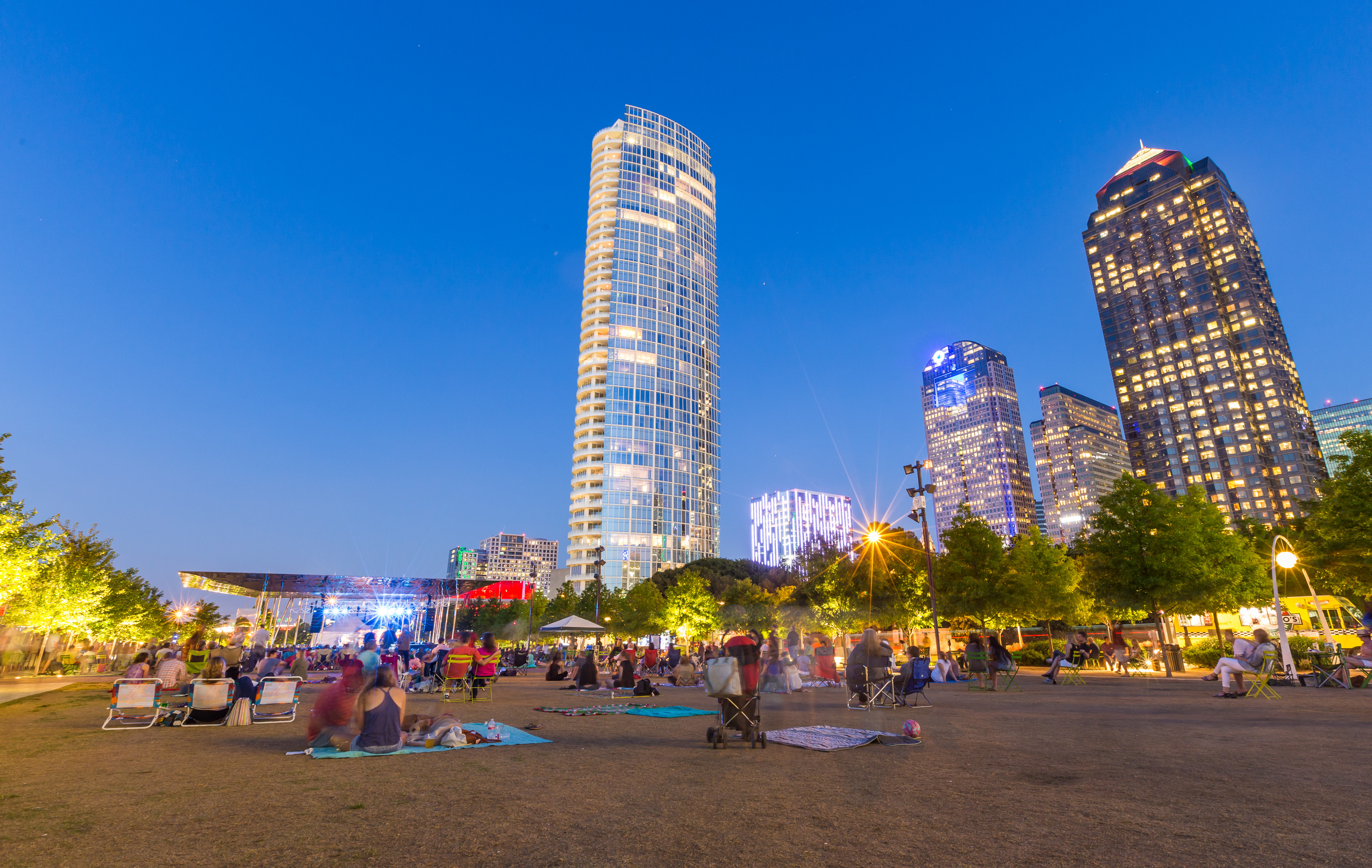
Klyde Warren Park routinely hosts performances by well-known acts such as folk-rock duo Jackopierce, who happen to meet while SMU classmates; and accessional simulcasts of The Dallas Opera, and The Dallas Symphony Orchestra from their respective homes in the Winspear Opera House and the Morton H. Meyerson Symphony Center, all in the AT&T Performing Arts District.
The area is an enviable 68 acres of several of the finest venues in the world. Others in the region include the Dallas Museum of Art, Wyly Theatre, and Moody Performance Hall, as well as the world-class Nasher Sculpture Center directly adjacent to Klyde Warren Park.
It is remarkable how quickly things can change when it comes to urban development. Just three decades ago, Uptown was facing a period of significant decline, but a shift in timing and market conditions turned the tide. The 1980s were indeed a challenging time for many urban areas, with weak markets and economic difficulties, particularly in Texas.
In 1993, Uptown Dallas, Inc. was established, creating the city’s first true live-work-play community.
One key factor that contributed to the revitalization in Uptown was a decrease in land prices. Lower land prices made it economically viable for developers to invest in the area that might have been overlooked during more prosperous times. When land is more affordable, it becomes feasible to build new housing, commercial spaces, and infrastructure, which, in turn, can attract businesses, residents, and investments. That is exactly what occurred in Uptown. Such cycles of development can lead to a significant transformation in the urban landscape.
Over the past few decades, a number of neighborhoods and districts have experienced revitalization due to changing economic conditions, shifting demographics, and renewed interest from developers and investors. Uptown’s resurgence serves as a prime example of how urban areas can evolve and thrive when the right conditions align, ultimately improving the quality of life for its residents and contributing to the overall vibrancy of a city.
Nowadays Uptown hot spots include shopping and dining at perennially hip West Village, One Arts, the QUAD (formerly known as The Quadrangle), the wildly popular Katy Trail Ice House, and the stately Crescent Court. In West Village, you’ll find the Violet Crown Cinema, tons of retail and residential options, lovely restaurants, wellness and more.
The list of quality Uptown restaurants has exploded in recent years. Dean Fearing, the father of Southwestern cuisine, has a signature restaurant, Fearing’s, at the Ritz-Carlton. Others include Truluck’s, Ocean Prime, and the venerable S&D Oyster Company for fresh seafood. Uchi, The Capitol Grille, Perry’s Steakhouse & Grille, the indoor/outdoor spaces of The Rustic, Dragonfly at Hotel Zaza, Nick & Sam’s, Sixty Vines and Nobu Dallas.
Surrounding Uptown are a series of exciting recent developments such as The Union, which houses a pair of popular restaurants, including The Henry and North Italia.
Other adjacent entertainment zones are the Harwood District, a unique, near-20 city block region that boasts more than five million square feet of office, residential, and retail space, all on one spectacular campus.
Perhaps the biggest news these days in the Harwood region is Hôtel Swexan, a luxurious facility steeped in Swiss hospitality that opened this summer. With a rare convergence of Lone Star charm and European flair, the vertical space specializes in unique amenities, sophisticated culinary experiences, and convenient access to the entire Harwood neighborhood.
Mercat Bistro, Te Deseo, and Dolce Riviera are all excellent stops for lunch and dinner. Saint Ann Restaurant & Bar has a fascinating history — a cool favorite for dinner, drinks, and weekend brunch. Sip, dine and enjoy one of Downtown’s ultimate garden patio in what was once known as St. Ann’s Parochial School. Don’t miss the second-floor museum dedicated to samurai art and armor, the largest private collection of its kind outside of Japan.
Victory Park, home of the American Airlines Center(home of the Dallas Mavericks of the NBA and the NHL’s Dallas Stars), House of Blues, and a variety of shops and eateries such as Billy Can Can, Mesero, and Hero.
It has been reported that of the 14 Public Improvement Districts in Dallas, Uptown Dallas Inc. (UDI) continues to have one of the lowest assessment rates at 0.045 cents per $100 valuation. According to UDI, these dollars have paid for the management and enhancement of public safety and security; the design and construction of public infrastructure improvements; and the maintenance of common areas, lighting, pedestrian amenities, and linkages that make Uptown such a desirable place in the area. With a deep commitment to art throughout the Uptown region, the visual pop of Uptown also helps the area stand out.
As for the overarching growth, it continues at an upbeat, or Uptown pace.
For more information on Uptown and surrounding communities, as well as top high-rise properties in Dallas and a continuing flow of information about the market, and community happenings, as well as special things to see and do, check with me at SueKrider.com now. Be sure to check my website at www.dallashighrisecondo.com
for more.